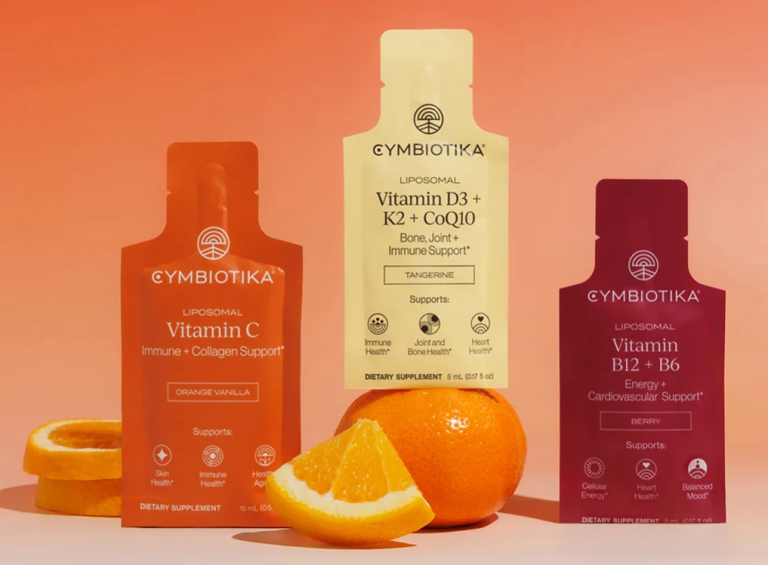
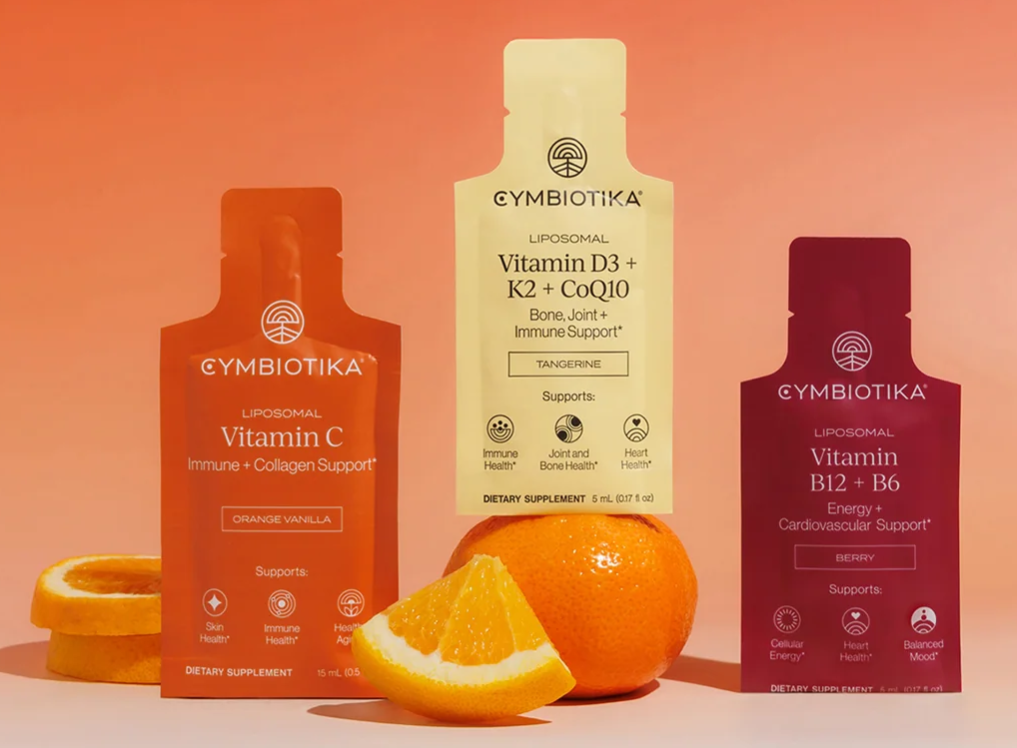
Wellness is no longer just about dieting or spending hours in the gym. Across the United States, people are shifting toward a more balanced lifestyle that combines nutrition, movement, mental clarity, recovery, and everyday convenience. Health has become part of personal style — not only how people look, but how they feel, perform, and maintain energy throughout busy schedules.
From morning supplements and hydration rituals to fitness recovery and mindful eating, modern wellness routines are evolving fast. Consumers are paying closer attention to ingredient transparency, product quality, sustainability, and how wellness products fit naturally into their lives. The idea of “healthy living” is becoming more intentional, practical, and personalized.
For many Americans, wellness now means creating small habits that support long-term energy, focus, confidence, and balance rather than chasing unrealistic perfection.
Why Wellness Has Become Part of Everyday Lifestyle Culture
A decade ago, wellness products were often associated only with athletes, fitness enthusiasts, or strict health communities. Today, the conversation is much broader. Office workers, parents, students, travelers, entrepreneurs, and creators all want solutions that help them feel better during everyday life.
This shift happened because people realized that health affects everything:
- Productivity at work
- Sleep quality
- Mood and stress levels
- Skin appearance
- Physical performance
- Mental focus
- Recovery after exercise
- Long-term energy
Instead of waiting until something feels wrong, consumers are becoming proactive. Daily wellness habits have become as common as skincare routines or coffee rituals.
Social media also helped normalize wellness culture. Morning routines, gym recovery tips, hydration trends, and nutrition discussions are now part of mainstream content. However, consumers are also becoming more skeptical. They want products that feel trustworthy, thoughtfully formulated, and easy to incorporate into real life.
That’s why modern wellness brands that focus on clean ingredients, science-backed formulas, and elevated lifestyle experiences continue to attract attention.

The Rise of Convenient Wellness
One major reason wellness products are growing in popularity is convenience. Americans are busier than ever. Long workdays, commuting, family responsibilities, and constant screen time make it difficult to maintain healthy habits consistently.
People want routines that fit naturally into their schedules without becoming complicated.
This is why simplified wellness systems are becoming popular:
- Travel-friendly supplement packs
- Easy morning routines
- Daily nutritional support
- Quick recovery options
- Functional wellness products
- Portable hydration solutions
- Wellness products with clean ingredient lists
Convenience no longer means sacrificing quality. Consumers now expect products to combine efficiency with premium standards.
Many shoppers also prefer wellness products that feel modern and stylish rather than clinical or outdated. Packaging, branding, taste, texture, and user experience matter more than ever. Wellness has become part of personal identity and lifestyle presentation.
Ingredient Transparency Matters More Than Ever
One of the biggest trends in the health industry is transparency. Consumers are reading labels carefully and researching ingredients before buying products.
People increasingly avoid:
- Artificial fillers
- Excess sugars
- Unnecessary additives
- Low-quality sourcing
- Synthetic ingredients without explanation
Instead, they look for products that clearly explain:
- Ingredient origins
- Functional benefits
- Manufacturing standards
- Scientific support
- Daily usability
This shift reflects a larger cultural movement toward informed purchasing decisions. Americans want to know what they are putting into their bodies and why it matters.
Modern wellness consumers are also more educated than previous generations. They frequently compare formulas, read reviews, watch educational content, and learn about nutritional science independently.
Because of this, wellness brands that emphasize education and clarity often build stronger long-term customer loyalty.
Daily Energy and Focus Are Top Priorities
Energy support has become one of the most important categories in wellness.
Many people feel mentally drained from constant digital stimulation, demanding work schedules, and irregular sleep patterns. Rather than relying only on caffeine, consumers are searching for more balanced approaches to maintaining focus and stamina throughout the day.
Healthy energy habits now often include:
- Nutrient-focused supplementation
- Hydration support
- Better sleep routines
- Stress management practices
- Consistent movement
- Reduced processed food intake
People are also paying attention to sustainable energy instead of short bursts followed by crashes. The goal is to feel stable, productive, and mentally sharp during the entire day.
This is especially important for professionals working long hours, entrepreneurs managing multiple responsibilities, and active individuals balancing fitness with demanding schedules.
Wellness and Beauty Are Closely Connected
Another major shift in the American market is the connection between beauty and internal wellness.
Consumers increasingly believe that healthy skin, hair, and overall appearance begin with internal health rather than only external products. Nutrition, hydration, sleep, recovery, and supplementation are now commonly discussed alongside skincare routines.
This “inside-out” beauty philosophy has become extremely popular among younger consumers who prioritize both wellness and aesthetics.
Popular lifestyle habits now include:
- Collagen-focused nutrition
- Hydration routines
- Antioxidant support
- Clean eating habits
- Stress reduction
- Recovery-focused wellness
People want to feel healthy while also looking refreshed, energized, and confident.
The modern wellness consumer is not just chasing trends. They are looking for sustainable habits that improve both physical appearance and overall quality of life.
Recovery Has Become a Core Part of Fitness Culture
Fitness culture in America has also evolved significantly. Instead of focusing only on intense workouts, people now understand the importance of recovery.
Recovery is no longer viewed as optional. It is considered essential for:
- Performance improvement
- Muscle support
- Stress reduction
- Better sleep
- Consistent energy
- Long-term health
This change has created growing interest in wellness products designed to support recovery routines.
Consumers are building complete wellness systems around fitness that may include:
- Stretching and mobility work
- Nutritional support
- Sleep optimization
- Hydration habits
- Relaxation practices
- Mindfulness techniques
Many people are also moving away from extreme “all or nothing” fitness culture. Sustainable consistency has become more important than short-term intensity.

The Wellness Industry Is Becoming More Personalized
Personalization is another reason the wellness space continues to grow.
Consumers understand that health is not one-size-fits-all. Different lifestyles, goals, dietary preferences, stress levels, and activity patterns require different approaches.
Some people prioritize:
- Immune support
- Daily focus
- Athletic recovery
- Beauty support
- Sleep quality
- Gut health
- Overall vitality
Others simply want routines that help them maintain balance during stressful weeks.
Because of this, modern consumers often build customized wellness routines that align with their personal goals rather than following rigid health rules.
This flexible mindset makes wellness feel more approachable and realistic.
Minimalism and Wellness Are Connected
Interestingly, many Americans are also embracing minimalist wellness habits.
Instead of taking dozens of products or following overly complicated systems, people increasingly prefer streamlined routines with fewer, higher-quality choices.
This trend reflects a broader lifestyle movement focused on intentional living.
Consumers want:
- Simpler routines
- Cleaner ingredient profiles
- Better product quality
- Less clutter
- More consistency
- Thoughtful daily habits
The modern approach to wellness is often about removing unnecessary complexity and focusing on habits that genuinely support long-term well-being.

Why Premium Wellness Brands Continue to Grow
Premium wellness brands continue gaining popularity because consumers increasingly associate quality with trust.
People are willing to invest more in products that feel carefully designed, transparent, and aligned with their lifestyle values.
This does not necessarily mean luxury for the sake of appearance. Instead, consumers want products that combine:
- High ingredient standards
- Science-backed formulation
- Strong brand credibility
- Modern user experience
- Consistency
- Lifestyle compatibility
American shoppers are becoming more selective. They prefer fewer purchases with better overall quality rather than buying large amounts of low-cost products that may not fit their goals.
This shift is especially noticeable among millennials and younger professionals who prioritize wellness as part of their daily identity.
Morning and Evening Wellness Rituals Are Growing
Structured wellness routines are becoming increasingly common.
Morning habits often focus on:
- Hydration
- Mental clarity
- Nutritional support
- Light movement
- Productivity preparation
Evening routines typically emphasize:
- Recovery
- Relaxation
- Reduced screen exposure
- Sleep preparation
- Stress reduction
These routines help create stability in otherwise fast-paced lifestyles.
Many Americans say wellness rituals provide a sense of control and calm during stressful schedules. Small daily habits can make people feel more grounded, organized, and focused.
This emotional aspect of wellness is becoming just as important as the physical benefits.
The Future of Wellness in America
The wellness industry will likely continue expanding because consumer priorities are changing permanently.
People are becoming more aware of how daily habits influence long-term quality of life. Rather than viewing health as a temporary goal, Americans increasingly see wellness as an ongoing lifestyle.
Future wellness trends will likely include:
- More personalized routines
- Greater ingredient transparency
- Functional nutrition
- Technology-supported health tracking
- Holistic recovery practices
- Sustainable wellness habits
- Integrated beauty and health solutions
Consumers will continue seeking products and routines that fit naturally into modern lifestyles without creating unnecessary stress or complexity.
The most successful wellness approaches will probably remain those that feel realistic, sustainable, and easy to maintain over time.
How to Build a Wellness Routine That Actually Lasts
One common mistake people make is trying to change everything at once. Sustainable wellness usually comes from consistency rather than perfection.
A practical wellness routine may include:
- Drinking more water daily
- Improving sleep habits
- Supporting nutrition with quality supplements
- Moving consistently
- Managing stress levels
- Prioritizing recovery
- Creating simple daily rituals
The goal is not extreme transformation overnight. Instead, it is building habits that support long-term energy, confidence, and overall well-being.
Many people find that starting small creates better results than following overly strict systems that become impossible to maintain.
Wellness should feel supportive, not overwhelming.
Frequently Asked Questions
What are the biggest wellness trends in the United States right now?
Some of the biggest trends include personalized nutrition, clean ingredients, daily recovery routines, hydration support, functional wellness products, and simplified health habits that fit busy lifestyles.
Why are Americans spending more on wellness products?
Consumers increasingly view wellness as a long-term investment in energy, productivity, appearance, and overall quality of life. Many people prioritize prevention and daily support rather than waiting for health problems to appear.
What makes a wellness routine sustainable?
Consistency, simplicity, and realistic habits are usually more sustainable than extreme routines. Small daily improvements often create better long-term results.
Why is ingredient transparency important to consumers?
People want to understand what they are consuming and how products are made. Clear labeling and thoughtful formulation help build trust.
How does wellness connect with modern fashion and lifestyle culture?
Wellness is increasingly viewed as part of personal identity. Consumers want to feel healthy, energized, confident, and balanced while maintaining routines that align with their lifestyle and aesthetic preferences.